Discover Makassar’s historic charm with an expert-guided tour through Fort Rotterdam and the lively Paotere harbor where traditional Bugis boats animate the waterfront.
KAVAYA SMALL GROUP JOURNEY
Makassar → Palopo
Explore the cultural heartland and natural beauty of South Sulawesi on this immersive journey from Makassar to the mountainous Toraja region. The itinerary blends city sightseeing with tranquil village life and traditional waterways, featuring visits to historic Fort Rotterdam, the scenic limestone karsts of Rammang-Rammang, and the vibrant…
JOURNEY OVERVIEW
Explore the cultural heartland and natural beauty of South Sulawesi on this immersive journey from Makassar to the mountainous Toraja region. The itinerary blends city sightseeing with tranquil village life and traditional waterways, featuring visits to historic Fort Rotterdam, the scenic limestone karsts of Rammang-Rammang, and the vibrant floating communities of Tempe Lake. Delve into the distinctive Torajan heritage through iconic burial sites, ancestral villages, and timeless weaving traditions. The travel style balances gentle trekking, river paddling, and cultural immersion, delivering a refined experience of Sulawesi’s diverse landscapes and rich customs. This thoughtfully curated route offers travel agents a premium product aimed at discerning clients seeking authentic cultural encounters and serene natural settings.
JOURNEY HIGHLIGHTS
Discover Makassar’s historic charm with an expert-guided tour through Fort Rotterdam and the lively Paotere harbor where traditional Bugis boats animate the waterfront.
Paddle gently along the Puteh River amid towering limestone karsts, savoring the serene beauty and intimate encounters in Rammang-Rammang’s scenic village landscape.
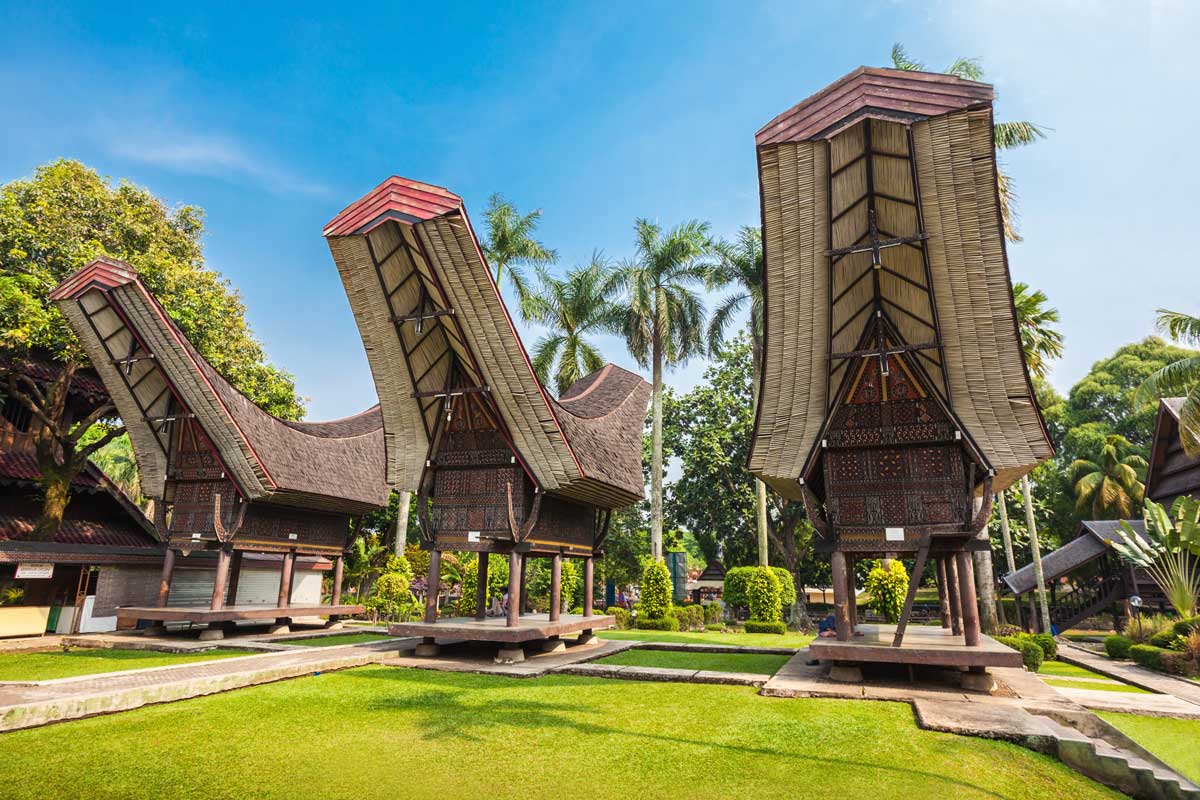
Immerse in Torajan culture by visiting evocative cliffside graves and iconic ancestral houses adorned with intricate woodcarvings in the atmospheric Kete Kesu village.
Experience the tranquil highland panorama on soft treks around Batutumonga, complemented by visits to megalithic sites and weaving villages that showcase enduring local traditions.
DAY BY DAY
Welcome to South Sulawesi! Upon arrival at Hasanuddin Airport in Makassar, you will be greeted and transferred to your hotel. Enjoy a short city tour featuring Fort Rotterdam, an historic Dutch fortress, and Paotere Anchorage, a bustling harbor where Bugis and Makassarese boats dock.
Overnight in Aston Makassar Hotel (4 Star) or similar.
After an early breakfast, depart for a peaceful escape to Rammang-Rammang Village. You will be picked up at 7:30 AM for a refreshing departure from the bustle of Makassar city. After approximately an hour's drive, arrive at Rammang-Rammang Village, where the genuine smiles of the locals will welcome you at a small jetty. Experience the cool breeze as you board a traditional canoe and paddle along the Puteh River, surrounded by stunning limestone karst towers and lush Nypa fruticans.
Enjoy a gentle trek through Berua Village, followed by a traditional snack of fried banana with tea or coffee served at a local house. After this break, paddle out of the village and continue your soft trek among the Karst Towers in Limestone Park, with lunch provided along the way. Next, proceed to Sengkang and visit Tempe Lake, where the car is exchanged for a motorized canoe to cross the lake and visit fishermen families living in floating houses. Enjoy a coffee and snack break in one of the floating houses before returning by canoe to Sengkang and checking in at your hotel.
Overnight in Hotel BBC Sengkang or similar.
Begin the day with a visit to a traditional silk factory, where skilled Buginese women produce intricate silk fabrics using time-honored techniques. Then travel through the scenic landscapes of Siwa and Palopo en route to Toraja. Upon arrival in Rantepao, the cultural heart of Toraja, check in to your hotel.
Overnight in Toraja Misiliana Hotel or similar.
Today is devoted to exploring the distinctive culture of the Toraja people. Visit Lemo, notable for its Tau Tau wooden effigies and hanging graves carved into cliffs. Continue to Kambira to see the baby graves, then onward to Londa, known for its ancient tombs where the deceased were placed in caves among rocks rather than buried underground. Enjoy lunch at a local restaurant in Rantepao before heading to Kete Kesu. On the way, stop at Karuaya to appreciate the beautiful and typical Toraja panorama. At Kete Kesu, one of the oldest Toraja villages, you will find two rows of original village houses—the traditional ancestral Tongkonan houses—and traditional rice barns adorned with colorful woodcarvings.
Overnight in Toraja Misiliana Hotel or similar.
Embark on a journey to Timonbayo to enjoy panoramic views of rice fields interspersed with ancient megalith stones spread across the landscape. Visit the burial cave of Lokomata before continuing to Batutumonga for a short trek. Here, absorb the beautiful scenery and observe elements of the unique Torajan lifestyle. Lunch will be served at a local restaurant in Batutumonga. In the afternoon, explore Bori, known for its significant megalithic structures, and visit the nearby villages of Pallawa and Sa’dan Tubaranna, recognized as centers of traditional weaving in the Rantepao region. Conclude the day with a farewell dinner at your hotel.
Overnight in Toraja Misiliana Hotel or similar.
After breakfast, transfer to Palopo Airport for your flight to Makassar, where you will connect onward to your next destination.
Tour Style: Classic Cultural Touring with Soft Trekking.
All travel distances and travel times are indicative only and may vary depending on traffic, weather, road conditions, routing, sightseeing stops and local operating conditions. Distances and travel times are based on direct routing and do not account for optional visits, detours or sightseeing activities included during the journey.
Makassar occupies a distinctive place along Indonesia’s southwestern Sulawesi coast, where its coastal position shapes both the city’s physical layout and daily life. The waterfront defines much of the urban experience, with the Losari Beach Promenade offering open views of the sea and a public space where locals gather throughout the day. The city’s architecture reflects a blend of colonial and indigenous influences, most notably seen in Fort Rotterdam, a well-preserved 17th-century Dutch fortress that anchors the historic district. Beyond its built environment, Makassar’s streets pulse with activity, especially within its traditional markets where regional produce and crafts reveal the city’s role as a commercial and cultural meeting point. The presence of the Bugis community adds a distinct cultural layer, visible in local customs and artisanal traditions. Nearby, the Tanjung Bunga Marine Area extends the city’s connection to the sea, highlighting its maritime heritage and offering a natural counterpoint to the urban setting. Together, these elements create a city where historical depth, coastal geography, and everyday commerce intersect to form a place of enduring local significance.
Amman, the capital city of Jordan, presents a blend of ancient history and modern urban life set against a backdrop of rolling hills. The city's architecture reflects its long history, with remnants from Roman times visible alongside contemporary buildings. Visitors can explore archaeological sites such as the Amman Citadel, which offers insights into the city's past civilizations, and the Roman Theatre, an enduring symbol of its classical heritage. The urban fabric includes vibrant neighborhoods like Rainbow Street, known for its lively atmosphere and local culture. Religious landmarks such as the King Abdullah Mosque add to the city's diverse character. Museums like the Jordan Museum provide context to the nation's history and cultural evolution. Amman's landscape and cityscape together create a setting where historical monuments coexist with everyday city life, offering travelers a tangible connection to Jordan's rich cultural tapestry.
Sengkang presents a distinctive blend of urban development and natural waterways, reflecting Singapore’s approach to integrating green spaces within residential districts. The area is characterised by its network of canals and rivers, which shape the layout and provide a tranquil contrast to the surrounding housing estates. Along these waterways, parks and pedestrian paths invite outdoor activity and community interaction, offering a slower pace compared to the city centre. The neighbourhood’s architecture combines modern public housing with pockets of historical interest, notably along the Sengkang Heritage Trail, where remnants of the past reveal the district’s evolution from fishing village to contemporary town. Everyday life here is grounded in local culture, with hawker centres serving as social hubs where residents gather over familiar Singaporean dishes. The presence of the Sengkang MRT and LRT stations supports the area’s accessibility but does not overshadow its quieter residential character. Overall, Sengkang stands out for its balance of water-lined landscapes, community spaces, and a lived-in atmosphere that highlights both local heritage and modern urban living.
Toraja occupies a distinctive highland region marked by steep rice terraces carved into volcanic slopes, where traditional agricultural practices continue to shape the landscape and daily life. The area’s villages are characterized by their unique Tongkonan houses, with boat-shaped roofs and intricate wood carvings that reflect local craftsmanship and social structures. These settlements are closely tied to the customs of the Toraja people, whose elaborate funeral ceremonies draw attention for their complexity and cultural importance, blending ritual, community participation, and ancestral reverence. The presence of both Toraja and Bugis ethnic groups adds to the cultural texture, evident in the market scenes and social interactions, especially in places like Rantepao, where trade and local exchange animate the town’s atmosphere. The combination of natural surroundings, distinctive architecture, and enduring traditions creates a setting where visitors can observe how cultural heritage is actively maintained within a living community, offering insight into a way of life that remains deeply connected to the land and its history.
Palopo is a city set against the lush, hilly terrain of South Sulawesi, where traditional Bugis culture remains a visible and active part of daily life. The urban fabric combines modest markets, narrow streets, and wooden houses that reflect local architectural styles and materials, creating an environment where historical and contemporary elements coexist. The city’s atmosphere is shaped by its role as a centre for regional trade and community interaction, with Palopo Market serving as a focal point for commerce and social exchange. Nearby, the Lemo Stone Graves offer insight into the ancient burial practices of the region, carved into cliffs that rise sharply from the surrounding landscape. The imposing Watu Ulo Cliff further defines the city’s natural setting, providing a dramatic backdrop to the urban area and linking the present-day community with its historical roots. Palopo’s character is grounded in the rhythms of everyday life, where cultural traditions and the physical environment combine to offer a distinctive experience within South Sulawesi.
Aston Makassar Hotel is situated in Makassar, Indonesia, offering a convenient base in this urban center. Positioned to serve both business and leisure travellers, the hotel features contemporary accommodations combined with meeting and event spaces, reflecting its role as both a city hotel and convention center. The property’s modern design and functional amenities cater to guests seeking practical comfort within the city. Its integration with convention facilities makes it suitable for corporate events and conferences, while also providing accessible accommodation for visitors exploring Makassar. The hotel’s location supports easy access to local attractions and business districts, appealing to those who require both connectivity and convenience. Overall, Aston Makassar Hotel serves travellers prioritizing a central urban setting with facilities that accommodate both professional engagements and leisure stays.
Hotel BBC Sengkang is a 2-star property located in Sengkang, Indonesia. Positioned within this urban district, the hotel provides convenient access to local commercial and residential areas. The property offers basic accommodations suited to budget-conscious travellers seeking straightforward lodging options in the Sengkang area. The atmosphere is practical and unpretentious, focusing on essential amenities to meet the needs of guests who require functional and affordable rooms. Its location benefits travellers looking for easy connectivity within the district rather than resort-style features or extensive leisure facilities. Hotel BBC Sengkang is appropriate for individual travellers or business visitors who prioritize accessibility and simplicity in their accommodation choice. The hotel’s appeal lies in its position within Sengkang and its service of essential guest requirements without extra amenities or luxury enhancements.
Toraja Misiliana Hotel is situated in the sacred highlands of Toraja, Indonesia, strategically positioned between North Toraja and Tana Toraja. This location offers convenient access to major cultural attractions and is well-served by public transportation. The property combines traditional Torajan architectural elements with an international ambiance across 105 rooms and suites. Designed to accommodate a variety of travellers, the hotel supports business meetings, social events, family gatherings, and honeymoon stays, featuring facilities such as a swimming pool, spa, tennis and futsal courts, and a ballroom with a capacity for up to 3,000 guests. Guests can experience local culture through the hotel’s authentic hospitality and personalized service, emphasizing the Toraja spirit. Dining options include two on-site restaurants serving international and Indonesian cuisine prepared with locally grown produce, with halal offerings and round-the-clock room service available. The Anggun Spa offers traditional Indonesian massages using local herbs delivered by professional therapists, enhancing relaxation and cultural immersion. Toraja Misiliana Hotel appeals to travellers seeking a culturally rich stay with easy access to Toraja’s unique heritage, combining practical facilities with a respectful presentation of local traditions in a highland setting.
YOUR BRAND. YOUR CLIENTS. OUR DESTINATION EXPERTISE.
Use this itinerary as inspiration or speak with Kavaya about tailoring it to your market and clients.
Discuss this journey