Explore the majestic UNESCO World Heritage temples of Borobudur and Prambanan, where intricate stone carvings and ancient architecture evoke timeless cultural grandeur amid lush surroundings.
KAVAYA SMALL GROUP JOURNEY
Yogyakarta → Bali
This cultural journey from Yogyakarta to Bali offers a curated exploration of Java and Bali’s rich heritage and landscapes. Starting in Yogyakarta, travelers visit iconic temples such as Borobudur and Prambanan, explore traditional villages, and engage with local crafts like batik making. The route continues with a scenic…
JOURNEY OVERVIEW
This cultural journey from Yogyakarta to Bali offers a curated exploration of Java and Bali’s rich heritage and landscapes. Starting in Yogyakarta, travelers visit iconic temples such as Borobudur and Prambanan, explore traditional villages, and engage with local crafts like batik making. The route continues with a scenic train journey to Mount Bromo, where a 4WD adventure reveals dramatic volcanic terrain. After experiencing coffee and clove plantations in Kalibaru, the trip culminates with an early morning trek to the Ijen Crater to witness its striking turquoise lake before crossing by ferry to the artistic town of Ubud in Bali. This immersive itinerary balances cultural discovery, natural wonders, and relaxed moments, delivering a well-rounded and sophisticated travel experience for discerning clients seeking both enrichment and comfort.
JOURNEY HIGHLIGHTS
Explore the majestic UNESCO World Heritage temples of Borobudur and Prambanan, where intricate stone carvings and ancient architecture evoke timeless cultural grandeur amid lush surroundings.
Witness the ethereal sunrise over Mount Bromo’s volcanic landscape, traversing moon-like calderas by 4WD jeep for a profoundly immersive encounter with nature’s raw beauty.
Delve into vibrant rural life with a horse-drawn ride through Candirejo Village, engaging with local traditions including gamelan music, cassava cracker making, and seasonal crop harvesting.
Ascend to the Ijen Crater at dawn to admire its turquoise lake and observe the remarkable sulphur miners, blending adventure with breathtaking natural spectacle before crossing to culturally rich Bali.
DAY BY DAY
Welcome to Yogyakarta, the cultural heart of Java. Upon arrival at Yogyakarta International Airport, your guide will greet you and transfer you to your hotel. Take time to relax after your journey, or explore the city’s lively streets filled with heritage and charm. This evening, settle in and prepare for the adventure ahead.
Overnight in Hotel Santika Premiere Yogyakarta or similar.
Start your day with a visit to the magnificent Borobudur Temple, a UNESCO World Heritage site renowned for its ancient carvings and stunning architecture. After lunch at a local restaurant, experience the charm of rural life with a horse-drawn dokar ride through Candirejo Village. Travel along peaceful lanes lined with traditional houses and observe local activities such as cassava cracker making, gamelan music performances, and crop harvesting.
Overnight in Hotel Santika Premiere Yogyakarta or similar.
Explore Yogyakarta’s rich cultural heritage aboard a traditional becak (rickshaw), beginning with a visit to the Royal Palace (Keraton), the heart of Javanese culture. Walk through the palace grounds, admiring the royal garments and artifacts, then continue to the Tamansari Water Castle. After lunch, discover the ancient art of batik making before visiting the magnificent Prambanan Temple, a 9th-century Hindu architectural marvel.
Overnight in Hotel Santika Premiere Yogyakarta or similar.
Embark on an Executive train journey through the heartland of Java, traveling from Yogyakarta to Mojokerto. En route, take in views of lush forests and countryside before visiting the stunning Madakaripura Waterfall near Mount Bromo (please bring water-resistant or sport shoes). Continue onward to Cemoro Lawang and check into your mountain lodge near Mount Bromo.
Overnight in Hotel Santika Premiere Yogyakarta or similar.
Rise before dawn to witness the sunrise over the moon-like landscape of Mount Bromo. Travel by 4WD jeep to a panoramic viewpoint overlooking the volcano and its dramatic surroundings. Descend into the caldera by 4WD and choose to either climb the stairs to the crater rim or take a horseback ride (at personal expense) to the crater's edge, where you can observe the active volcano’s heart. After this excursion, return by jeep to your hotel for breakfast before departing for Kalibaru, stopping for lunch en route.
Overnight in Margo Utomo Eco Resort Banyuwangi or similar.
Explore Kalibaru’s plantations, including coffee, clove, and cacao, learning about the production processes of coffee and brown sugar. In the afternoon, continue to Banyuwangi where you will spend a relaxing evening.
Overnight in Lintang Luku Tent Resort or similar.
Depart early at 3AM for a trek to the Ijen Crater, noted for its turquoise crater lake and distinctive sulphur miners. From the Paltuding ranger post, embark on a trek of approximately 3 km (around 90 minutes) to the crater rim, arriving in time for sunrise. After descending, return to your hotel for breakfast and shower before continuing your journey. Drive to Ketapang harbor to cross to Bali by ferry, then proceed to Ubud for check-in and leisure time.
Note: For an enhanced experience, an optional earlier 1AM departure is available to see the Blue Fire at Mount Ijen (extra cost, paid locally).
Overnight in Kajane Mua or similar.
After your journey from Java, enjoy a day of leisure in Ubud to relax or explore its charming streets at your own pace. In the evening, enjoy a farewell dinner at the hotel.
Overnight in Kajane Mua or similar.
After breakfast, bid farewell to your fellow travelers and enjoy some final leisure time before your transfer to the airport for your onward flight. Reflect on your journey through ancient temples, volcanic landscapes, lush plantations, and serene Bali, which combined cultural insight with natural beauty.
Tour Style: Classic Cultural Touring with supporting Active Touring.
All travel distances and travel times are indicative only and may vary depending on traffic, weather, road conditions, routing, sightseeing stops and local operating conditions. Distances and travel times are based on direct routing and do not account for optional visits, detours or sightseeing activities included during the journey.
Yogyakarta is a city where cultural heritage and everyday life intertwine amid a setting of volcanic plains and lush tropical greenery. Its compact urban fabric blends traditional Javanese architecture with colonial influences, creating a distinctive streetscape that supports a lively mix of markets, workshops, and royal palaces. The city’s atmosphere is shaped by the presence of the Kraton, a royal palace complex that remains a center of Javanese culture and ceremony, while nearby streets bustle with vendors selling batik textiles and local crafts. Beyond the urban core, the silhouette of Mount Merapi rises sharply, a constant natural presence that influences both the landscape and local livelihoods. The surrounding region holds one of the largest Buddhist monuments in the world, the Borobudur Temple Complex, which reflects the area’s deep historical layers and religious traditions. Yogyakarta’s streets, markets, and artisan workshops offer insight into the rhythms of daily life, where traditional practices continue alongside modern activity, providing a tangible connection to the city’s cultural roots and its evolving identity.
Bromo is a distinctive highland area defined by its vast volcanic landscape and the enduring presence of local Tenggerese communities. The terrain is dominated by expansive volcanic plains, where the Sea of Sand—a wide expanse of fine volcanic ash—stretches beneath the towering caldera walls. This stark environment contrasts with the surrounding rugged peaks, including the active Mount Bromo, whose smoking crater punctuates the horizon. The nearby Semeru volcano, the highest peak in the region, adds to the dramatic natural setting. Beyond its geological features, Bromo is shaped by the Tenggerese people, whose traditional practices and rituals remain integral to daily life, reflecting a deep connection to the land and its volcanic forces. The national park encompassing this area preserves both the unique ecosystem and cultural heritage, offering a landscape where natural phenomena and human presence coexist. The atmosphere here is quiet and elemental, marked by open skies, shifting sands, and the steady rhythm of local customs that continue amid the volcanic terrain.
Kalibaru is a rural area nestled within the lush tropical rainforests of East Java, where agricultural life shapes much of the local landscape and daily rhythm. The village environment is marked by modest wooden homes and narrow paths winding through dense vegetation, reflecting a traditional Javanese way of life closely connected to the land. Surrounding Kalibaru, expansive tea plantations stretch across rolling hills, their orderly rows contrasting with the wild greenery of the forest. Nearby volcanic terrain, including the striking presence of Mount Ijen, adds a dramatic backdrop and influences the soil fertility that supports diverse crops. Local markets offer a glimpse into the region’s agricultural economy, where fresh produce and commodities are traded amid the hum of everyday activity. The combination of natural features, farming practices, and enduring village customs creates a setting where visitors can observe the interplay between environment and community in a part of Java less altered by urban development. This blend of cultivated landscapes and traditional settlement patterns defines Kalibaru’s distinctive character.
Banyuwangi occupies the easternmost tip of Java, where volcanic landscapes meet the Indian Ocean, creating a diverse environment that shapes local life and culture. The area is marked by rugged terrain, including the striking Ijen Crater, whose sulphur mines and rare blue flames draw attention to the region’s volcanic activity. Surrounding this natural landmark, the land transitions into coastal villages where fishing remains a daily occupation, and traditional rhythms persist alongside agricultural practices such as coffee cultivation. The nearby Baluran National Park offers a contrasting savannah landscape, home to wildlife that reflects the region’s ecological variety. Within Banyuwangi town, cultural expression remains tangible, with traditional dance performances that maintain local heritage and community identity. The combination of active volcanic features, coastal livelihoods, protected natural reserves, and enduring cultural practices gives Banyuwangi a distinctive character that reflects both its natural forces and human adaptation to them. This blend of environments and traditions provides insight into a part of Java where nature and culture coexist in a setting defined by both its physical contours and the everyday lives of its inhabitants.
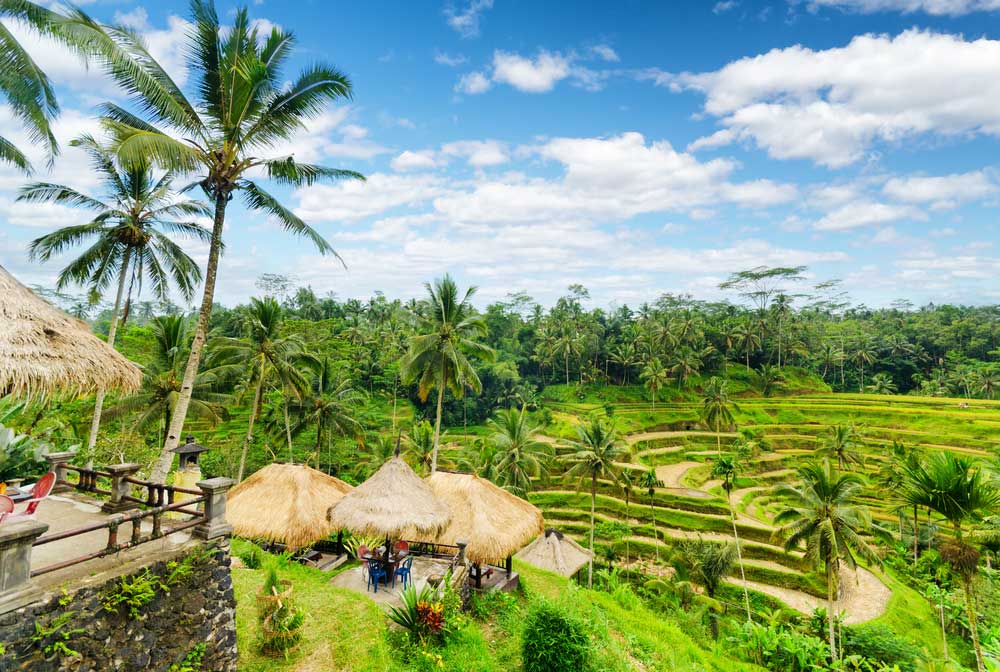
Ubud is a town set amid the lush, undulating landscape of central Bali, where dense tropical forests and terraced rice paddies shape the surrounding environment. Its compact streets reveal a blend of traditional Balinese architecture and artisan workshops, reflecting a community deeply engaged with its cultural heritage. The presence of sacred sites, such as intricately carved temples with lotus ponds, integrates spiritual practice into daily life, while markets offer a glimpse into local crafts and produce. The nearby rice terraces exemplify the region’s agricultural rhythms, carved into the hillsides in patterns that have sustained generations. Wildlife, including the long-tailed macaques inhabiting the forested sanctuary, adds a natural dimension to the town’s atmosphere. Ubud’s scale and pace encourage exploration on foot, where visitors encounter a balance of artistic expression, religious tradition, and rural landscape, creating a setting that is both serene and culturally rich. This combination of natural beauty, cultural depth, and everyday activity distinguishes Ubud within Bali’s diverse island environment.
Hotel Santika Premiere Jogja is a 4-star property located in central Yogyakarta on Jl. Jendral Sudirman, within walking distance of key landmarks such as the Tugu Pal Putih Monument and Jalan Malioboro Street. Set approximately 5 minutes from Sungai Code river and about 25 minutes on foot from the Museum of Biology, the hotel offers convenient access to cultural attractions and the city center. Adisucipto Airport is a 15-minute drive away, and Lempuyangan train station is also nearby. The hotel features 133 air-conditioned rooms equipped with modern amenities including flat-screen satellite TVs, high-speed internet, minibars, and coffee-making facilities, catering to both business and leisure travellers. Guests can make use of the outdoor swimming pool and sun deck, and enjoy dining options such as the Indonesian Pandansari restaurant that serves American cuisine. Additional facilities include a fitness centre, spa services, and a shared lounge area with live entertainment. With wheelchair-accessible rooms and public areas, the hotel accommodates travellers with special needs. Its central location and range of practical amenities make Santika Premiere Jogja a suitable base for visitors seeking comfortable accommodation close to Yogyakarta’s main sights and transport links.
Margo Utomo Eco Resort Banyuwangi is located in Kalibaru, East Java, Indonesia, set within a natural environment that emphasizes sustainable practices and close contact with the surrounding forest and plantation areas. The resort offers a distinctive eco-friendly experience that integrates accommodation with nature, appealing to travellers seeking an environmentally conscious stay. Its setting near coffee plantations and tropical gardens provides a tranquil atmosphere that highlights the region’s agricultural heritage. The property features traditional-style structures designed to blend harmoniously with the landscape, promoting an immersive experience in a rural, forested environment. This focus on eco-tourism makes it especially suited for nature enthusiasts and those interested in exploring local flora and fauna, as well as experiencing rural Indonesian culture away from urban centres. Guests can expect a peaceful retreat with opportunities to engage in plantation tours and nature walks, benefiting from a setting that prioritizes sustainability and environmental respect. Margo Utomo Eco Resort offers a unique option for travellers who value ecological sustainability and authentic local experiences within East Java. Its remote location in Kalibaru positions it as a base for exploring both natural surroundings and agricultural practices integral to the area. This resort is best suited for guests looking for a quiet, nature-oriented stay combined with cultural insight.
Lintang Luku Tent Resort is situated near Banyuwangi in East Java, Indonesia, offering a distinctive approach to nature-based accommodation. This resort specializes in tented lodging, providing guests with an immersive outdoor experience while maintaining comfortable amenities. Designed for travellers seeking a closer connection to the natural surroundings, the property combines rustic charm with practical facilities. The resort’s character is shaped by its emphasis on adventure and eco-consciousness, making it suitable for those interested in exploring local landscapes and engaging in outdoor activities. The tent-style accommodations allow guests to experience the environment authentically without sacrificing essential comforts. The setting encourages a laid-back atmosphere that appeals to travellers who prioritize unique, nature-focused stays over conventional hotel experiences. Located in proximity to Banyuwangi, known for its natural and cultural attractions, Lintang Luku Tent Resort serves as a base for exploring the region’s diverse offerings. Its positioning makes it a practical choice for active travellers and nature enthusiasts who want convenient access to outdoor excursions. Overall, the resort’s distinctive appeal lies in its combination of tented accommodation and natural setting, catering primarily to those seeking a recreational stay aligned with the landscape and cultural context of Banyuwangi.
Located in the heart of Ubud, Bali, KajaNe Mua offers a tropical retreat blending contemporary design with traditional Balinese elements. The property features a selection of private luxury pool villas and mansion rooms, providing accommodation options for a range of travellers seeking comfort and privacy. Despite its central location, KajaNe Mua maintains a tranquil atmosphere, allowing guests to experience the serenity of Ubud while being just a short walk from its main cultural attractions. The resort’s distinctive feature lies in its creative fusion of modern and traditional styles, set within lush tropical surroundings. This setting appeals to travellers looking for a peaceful base from which to explore Ubud’s cultural and natural highlights. KajaNe Mua’s design and layout create a private, relaxed environment ideal for couples, families, and small groups interested in combining cultural discovery with quiet relaxation. Guests may choose KajaNe Mua for its balance of accessibility to Ubud’s vibrant arts and markets and its refuge-like ambiance, offering a genuine tropical escape within easy reach of the town’s key landmarks. The focus on blending indoor-outdoor living spaces and private pool villas supports a personalised, calm experience distinct from more commercialised hotel options in the area.
YOUR BRAND. YOUR CLIENTS. OUR DESTINATION EXPERTISE.
Use this itinerary as inspiration or speak with Kavaya about tailoring it to your market and clients.
Discuss this journey